30th November / 1st December: Castro and Chiloé

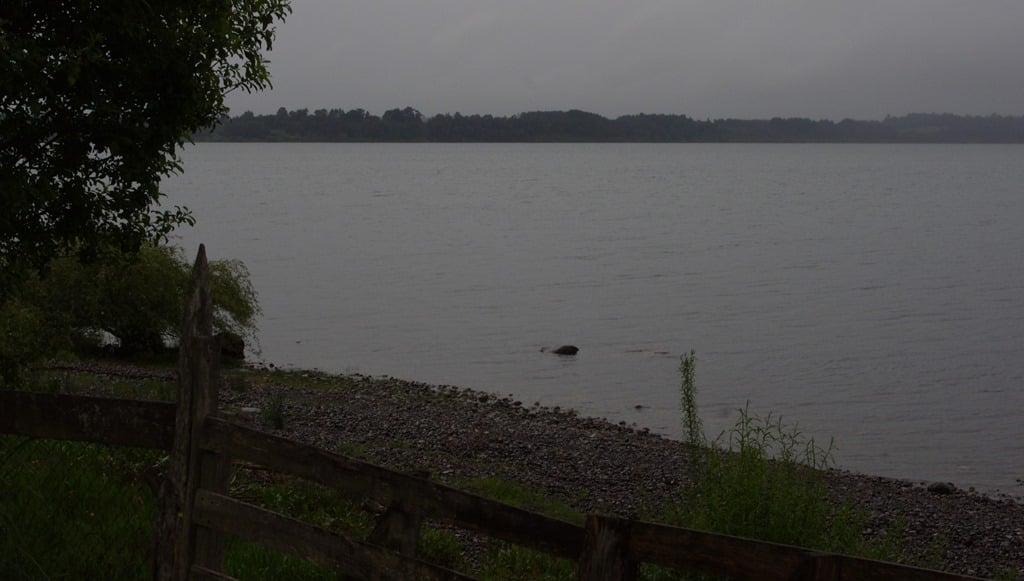
The island of Chiloé is a large island, just off the coast at Puerto Montt. Currently, it is accessible only by car ferry (a one-way crossing with car was about £11) but a bridge is under construction and due to be completed in 2020. Judging by the graffiti and posters I saw, it appears that the locals aren’t generally in favour of the bridge, fearing that it might destroy the island’s identity.

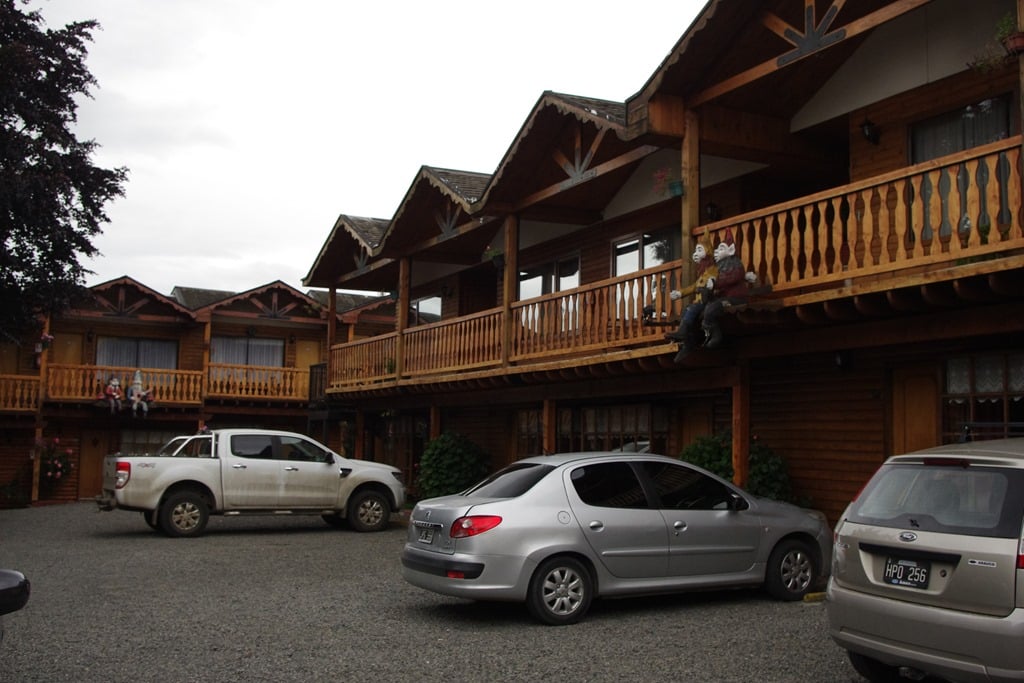
I’d been planning to camp on the island but the campsites I emailed didn’t give timely responses, and after the problems I had had with campsites so far, I opted for a cheap hostel in Castro (the island’s capital) instead. For about £20/night, this was perfectly adequate although I was fortunate to be moved from a tiny double room that smelt rather musty to a much nicer three-bed room. The downside was that the new room was right next to Ruta 5, which was busy all night.

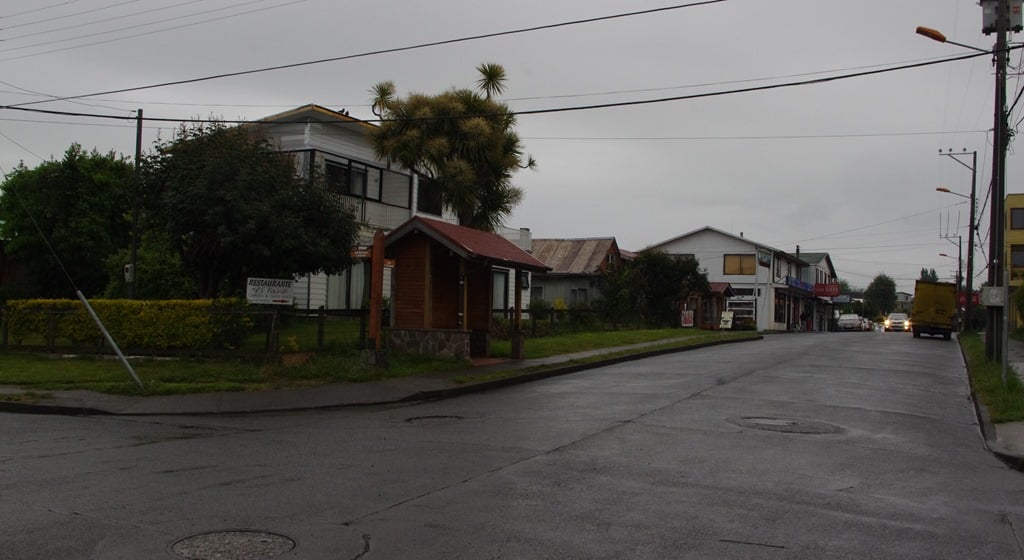
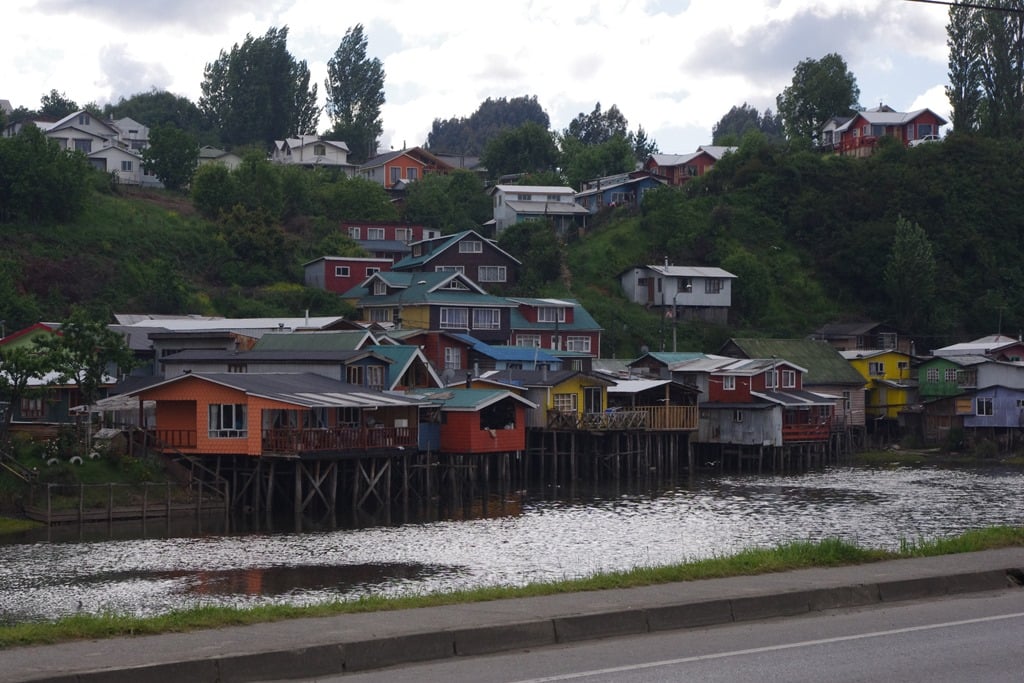
Castro is a busy, commercial centre (and driving was no easier than in Valdivia) but once here the area around the port especially is quite pretty. Castro is also famous for its palafitos – houses built on stilts in the sea. Many of these were destroyed by the tsunami that affected the region in 1960 but some have been rebuilt.
By the way, should you ever find yourself in Castro, and if you like seafood, definitely pay a visit to Nueva Galicia by the harbour, recommended to me by the hostel owner. Their cuaranto was exquisite. If you don’t like seafood though, don’t bother – there were no other options on the menu!

Jesuit churches

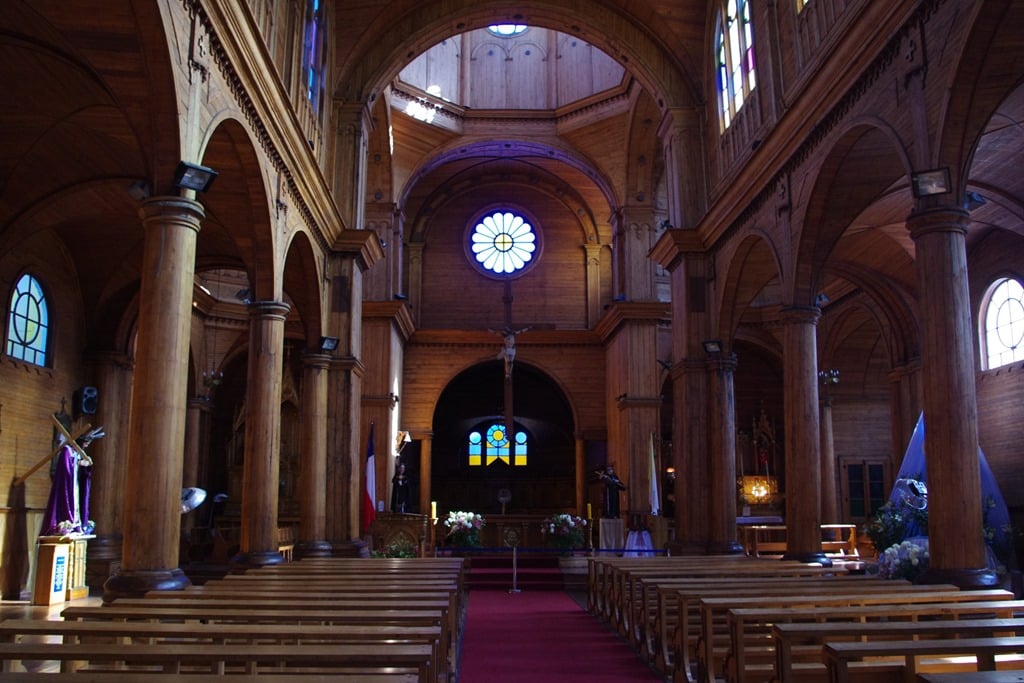
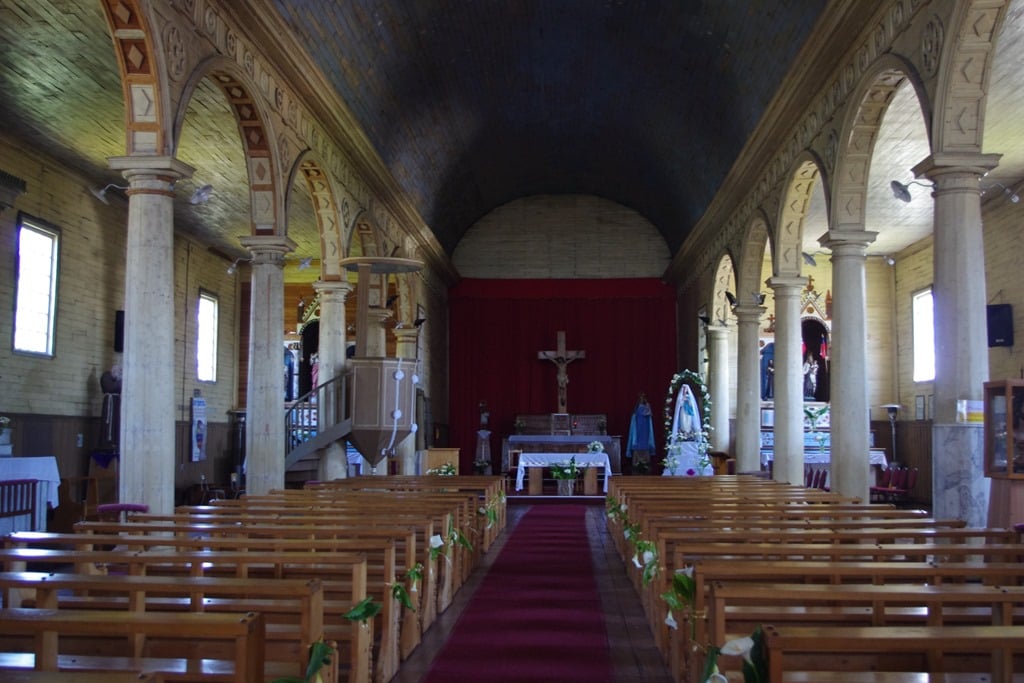
Other than the palafitos, the other reason for coming to Chiloé was to see the Jesuit churches. Dating from the original Christianisation on the island by the Jesuits, sixteen of these wooden churches survive and all are UNESCO World Heritage Sites. Although now used for Catholic rites, the simplicity of these buildings is in stark contrast to most Catholic churches, such as the Cathedral I saw back in Iquique.

Dalcahue

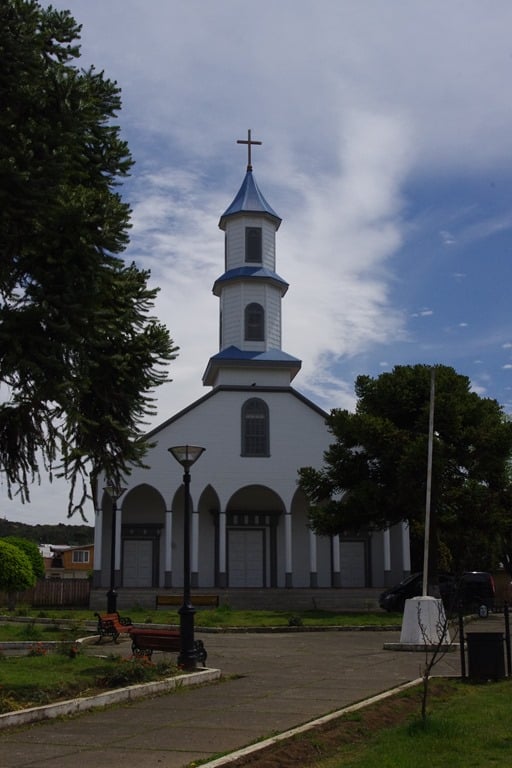
The church in Dalcahue was the first that I visited when I first reached Chiloé, on my way to Castro. This was on Monday afternoon and (despite my guidebook saying that the churches are open every day), it turns out that Monday is the day most of the sixteen do close. So I wasn’t able to see inside.
Castro

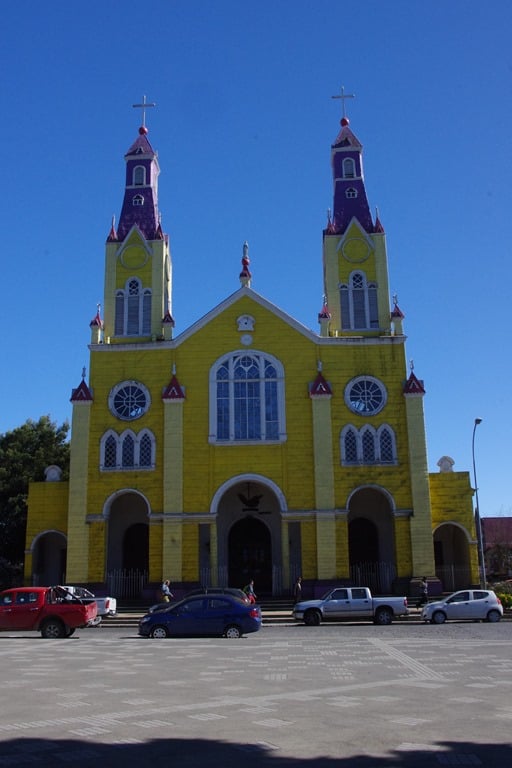
The church in Castro’s main square
Chonchi

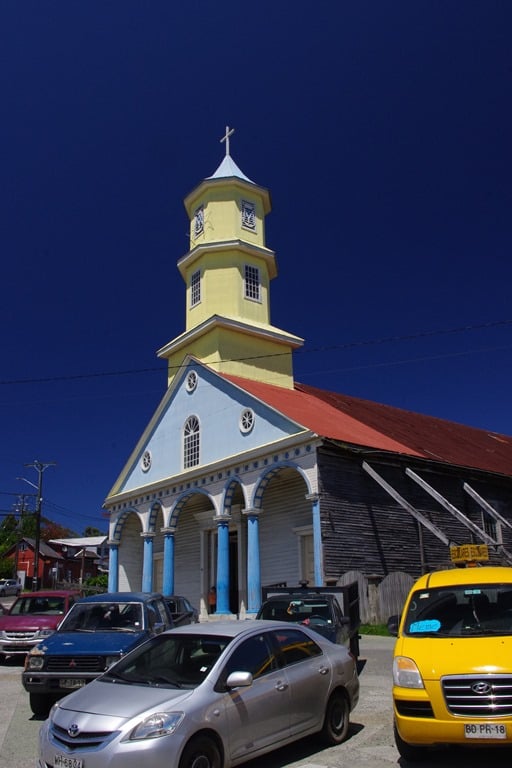
Chonchi is a picturesque little port town about 16km south of Castro.
Nercón

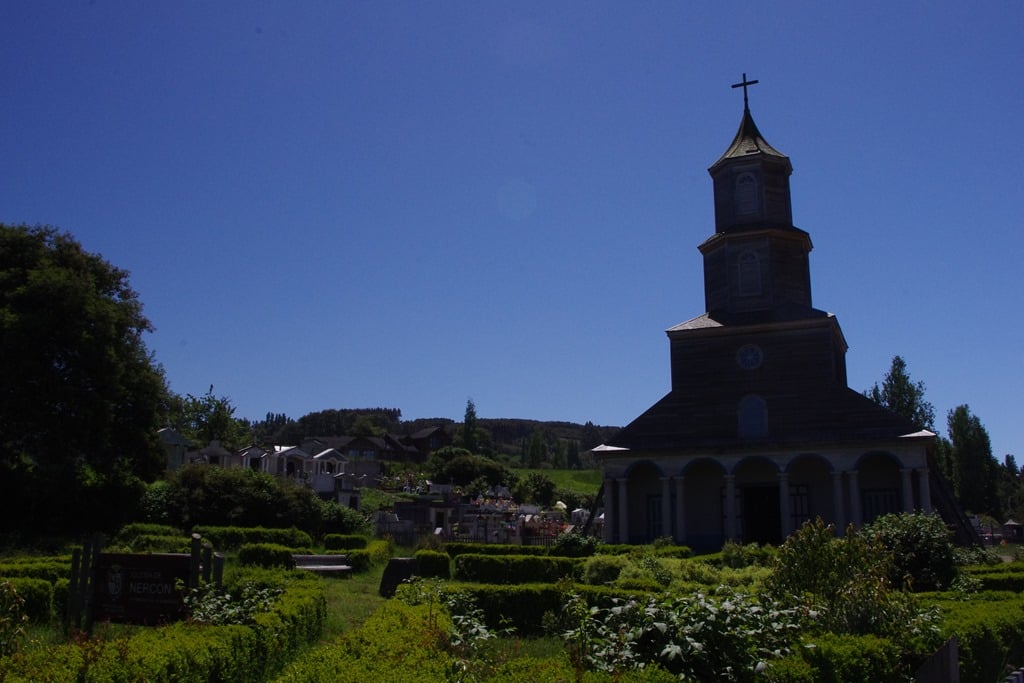
At the recommendation of the hostel owner, I also stopped in the tiny hamlet of Nercón, on Ruta 5 just on the outskirts of Castro. It was a good recommendation, as I wouldn’t have realised I was so close to this church otherwise.
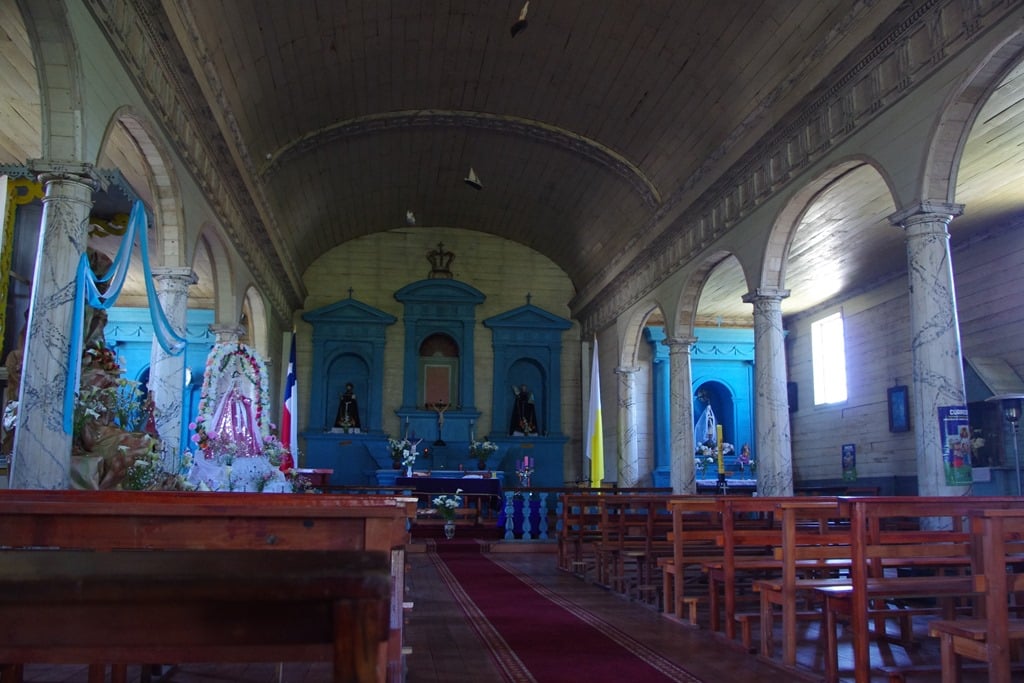
Sadly I didn’t get to do quite as much as I’d planned on Chiloé, and in particular I wasn’t able to operate radio from here as I’d hoped. The reason was that I discovered my hire car had developed a flat tyre, which caused me to lose a morning. If it had to happen anywhere, though, it couldn’t have happened in a better place – about 50 metres from a tyre repair centre, who charged me the princely sum of 2000CLP (about £2) to remove the tyre, repair it, pump it back up and re-fit it. I’ve never before given a 50% tip, but I think in this circumstance it was well-merited!

Islotes de Peñihuil

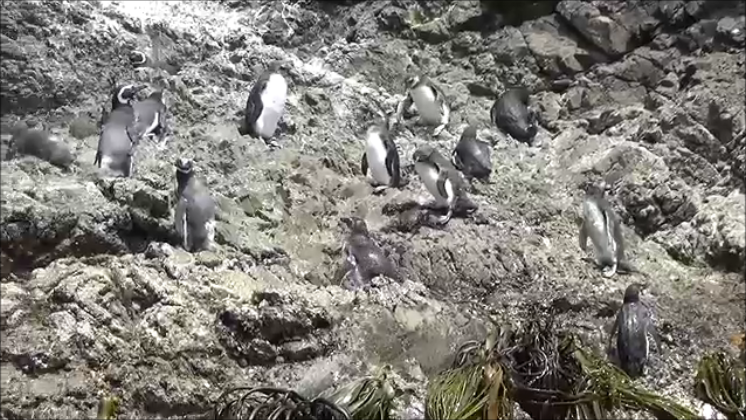
Before that episode, it was also good to catch up again with Andy and his wife, whose path I’d crossed up in San Pedro de Atacama. They strongly recommended a visit to the penguin sanctuary at Peñihuil, which (having confirmed that the road there was surfaced, given the tyres!) I was able to visit on my way back. You aren’t allowed onto the islands themselves, and the number of tourist trips per day is regulated, but for about £6.50 you can get a half-hour boat tour of a few colonies on the islands just off the coast. I arrived just before a boat was due to leave, and so I didn’t have time to get organised (in particular, change the lens on my SLR) but I got plenty of video, from which the image below is a still. We got to see both Humbolt and Magellan penguins, which are fascinating creatures. Well worth the slight diversion.
This is quite literally where my road comes to an end. Just south of Castro, in the town of Quellón, the Pan-American Highway finally meets the sea. Its place is taken by the somewhat more infamous Carretera Austral. Pinochet’s great project, and still partly unfinished, this is the road that travels south through Patagonia. It’s renowned for being both scenic and difficult, mainly unsurfaced, with dangerous bends and hundreds of kilometres between petrol stations. Although I did briefly consider taking on the challenge, my more sensible side prevailed. It probably wouldn’t be wise to tackle the road alone without more experience. (Incidentally, for those who watched the ill-fated BBC Top Gear Christmas Special from Patagonia, the Chilean parts of that were largely filmed on the Carretera Austral, which gives an idea of what it’s like!)

So, in the next leg of my journey, I’ll give up the hire car and switch to a cargo ship for the journey down through the Patagonian fjords by sea. It should be quite an experience! Hopefully the weather will stay settled.
27th-29th November: Frutillar

I hadn’t planned to come to Frutillar in my itinerary, but the problems at the campsite in Entre Lagos meant that I came here in the hope of finding a better option. I’m very glad I stopped: not only was the weather better, but the town is beautiful.

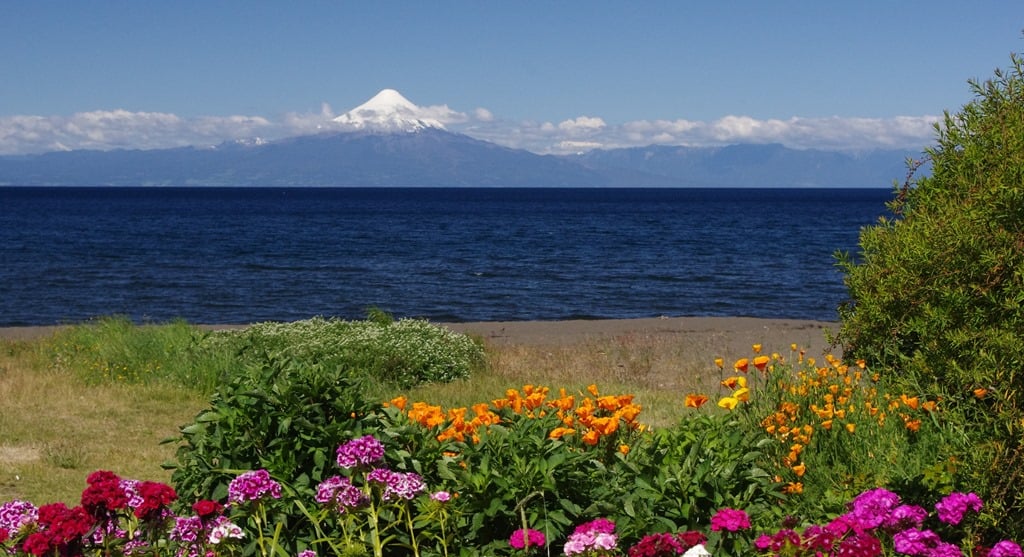
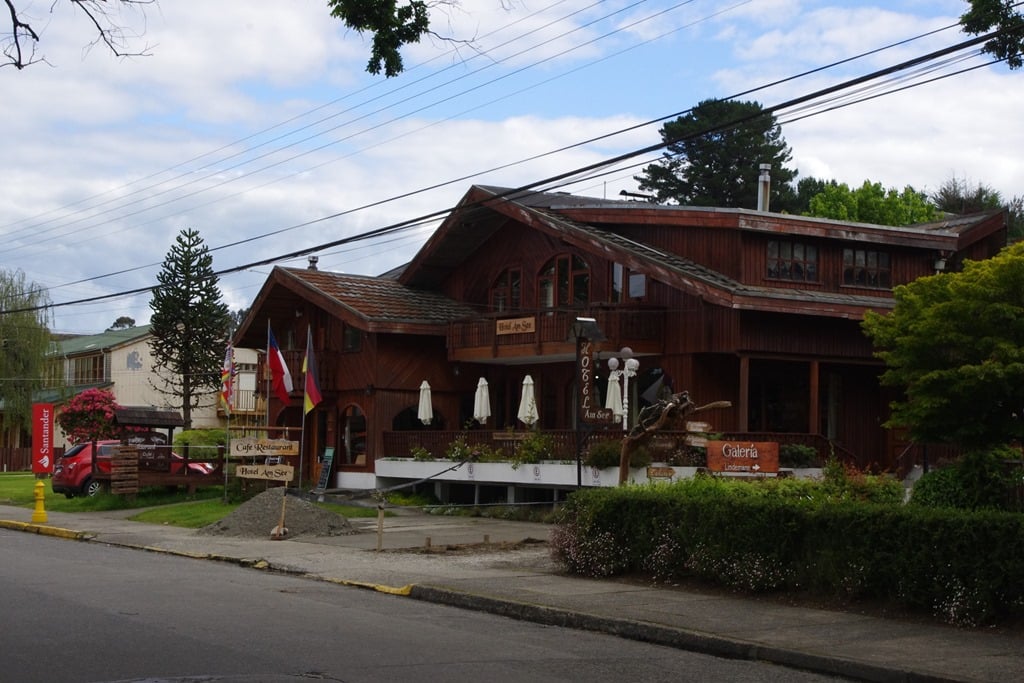
Frutillar, located on the banks of the Lago Llanquihue and in the shadow of the Volcán Osorno, is one of the places in the region that retains a very Germanic feel. Not only does much of the architecture look as though it has been plucked from Alpine villages, but along the lakefront there are plenty of picturesque shops selling ‘Küchen’ (which seems to be basically any form of fruit-based cake) and Strudel. There’s even the first Lutheran Church that I’ve found in Chile.

This is no accident: in the mid-nineteeth century the Chilean government encouraged immigration to dilute the power of the Mapuche in this area, and the Germans in particular answered this call.

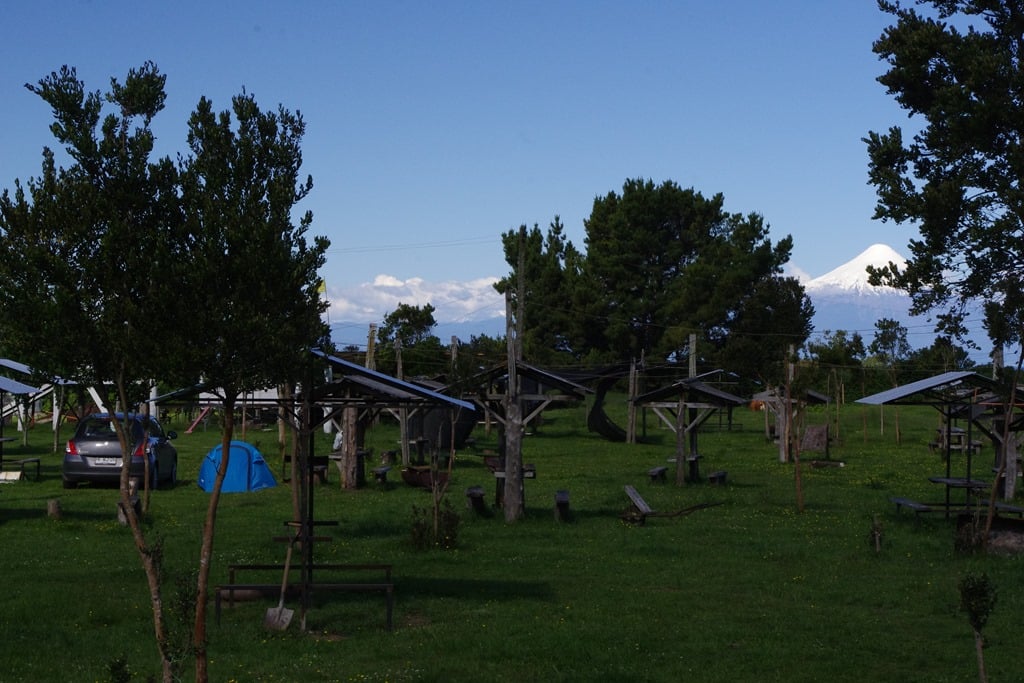
The town itself is split into two – the lower town by the lake is the tourist area and, probably about a mile away uphill, is the upper town, which is the business end of things. The main campsite is between the two, which means it has some spectacular views towards the volcano. It’s also a working farm, and the menagerie of ducklings, cows, dogs, tiny kittens and geese wondering past your tent meant anything could happen. There was lots of interest in what I was doing, particularly when it involved cooking!

It was from here that I also took part in the CQWW DX CW amateur radio competition for 2015. More on that in a different post…

CQWW CW from CE3/M0BLF/7

This post is about my entry from Chile in the CQWW CW Amateur Radio contest. If you’re not a radio amateur, and you’re just interested in following my travels in Chile, you probably want to skip this post in the series.

Similarly, if you are a radio amateur and you’ve come here to find out about my contest entry, you may not realise this was part of a 6-week journey through the country. I was travelling light, which explains the lack of decent equipment!

Score

Firstly, the bit you’ll be most interested in:

Contest         : CQ World Wide DX Contest
Callsign        : CE3/M0BLF/7
Mode            : CW
Category        : Single Operator (SO)
Overlay         : —
Band(s)         : Single band (SB) 15 m
Class           : Low Power (LP)
Zone/State/…  : 12
Locator         : FE38LU

BAND   QSO  CQ DXC DUP  POINTS   AVG
————————————–
15    34   7   6   1      86  2.53
————————————–
TOTAL    34   7   6   1      86  2.53
======================================
TOTAL SCORE : 1 118

Equipment

I was very limited for space for this activation, as I only had one 23kg suitcase and one backpack that had to contain everything I needed for 40 days’ travelling, including camping gear. As a result, the equipment used was:

  • IC-706Mk2G
  • Gel cell battery (12V/12Ah) – purchased back in Temuco
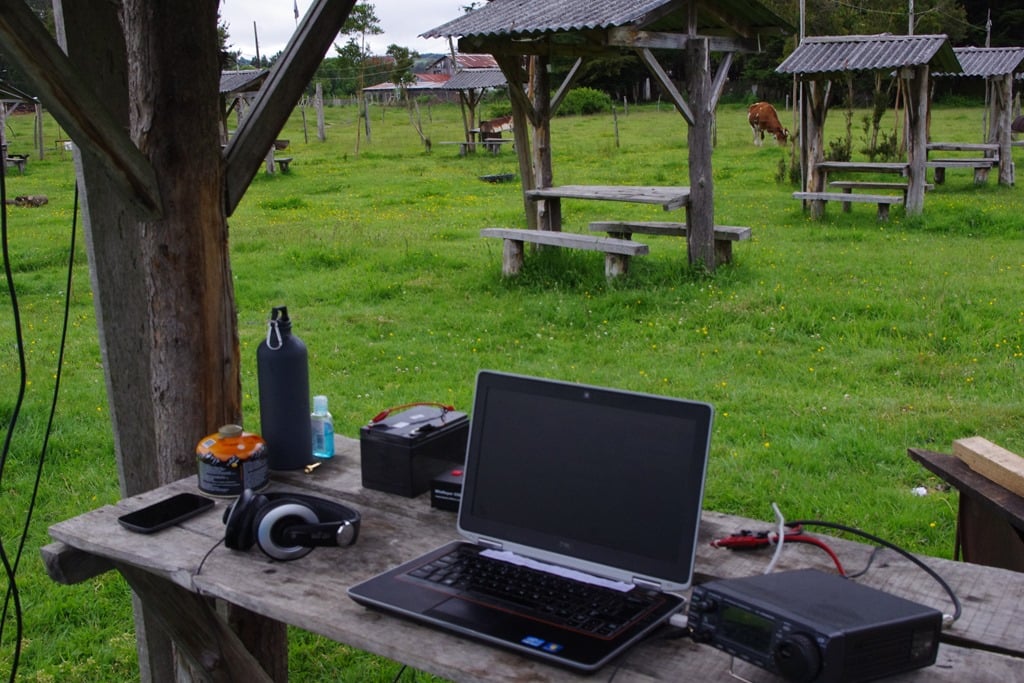
  • 15m dipole at about 3m AGL – that’s as high as I could get it given a lack of trees around the camping pitch
  • WinKeyer USB
  • Laptop with Win-Test

and that was it. I had brought my Bencher paddle (despite the weight!) but it had developed a dodgy connection and I hadn’t brought a soldering iron, so I wasn’t able to send manually. Unexpectedly, however, I did have the ability to recharge the gel cell on my camping pitch, which meant I was able to operate for longer than originally expected.

Given the fact that I was under battery power, I had to keep the power down. I typically limited it to about 40W. For anyone who hasn’t tried to operate in a major contest with this restriction, it’s an interesting experience. I found myself pondering the optimum gap to leave between CQ calls, as every unanswered call was potentially wasted power. I also had to choose operating times carefully, of course, to allow time for recharging in the quieter periods. I’d listened to 15m the previous weekend (during Sweepstakes), while I was in Villarica, to aid this choice.

My entry was SOSB on 15m, unassisted (there was no internet on the campsite).

My limited station on the campsite, which is also a working farm, hence the cow in the background. The dipole was strung between a couple of the shelters.

Conditions

Conditions were broadly worse than expected, even given my limited equipment. I could tell I was a long way south, and far from most major centres of population. The European opening predicted by VOACAP around midday UTC was certainly there, and there were some fairly big signals from Europe but when called they either couldn’t hear me or, in some cases, got a partial call then gave up before getting the rest.

Outside of the contest, it was good to work two friends in Cambridge (Martin G3ZAY and Rob M0VFC, both operating from the G6UW Cambridge University Wireless Society shack) on the Sunday EU opening, which proves the path was there with a bit of effort.

There was a better opening to the USA in the late afternoon / early evening local time (around 21 UTC), which is where I got most of my QSOs on the Saturday, but not so many on the Sunday. Even when I could tell I had been spotted, it didn’t sound like I had many callers, though. I wonder whether that was me not hearing a pile-up, or whether it wasn’t there.

Callsign

So, what was with the strange callsign I was using? I’d been issued the callsign CE3/M0BLF via the Radio Club de Chile. Since I wasn’t staying in a single place during my trip, they kindly let me use the Radio Club HQ address for my licence address, which is why it was issued in zone 3 (Santiago).

I wasn’t in Santiago for the contest, however. I was in the Región de los Ríos, most of which is zone 7. Hence CE3/M0BLF/7.

If you had understood I was expecting to be CE3/M0BLF/6 in the contest, that’s correct. The different zone was a result of moving campsite unexpectedly. If you want to know why I moved, there’s more information on the Entre Lagos blog post.

Electricity supply

Although I was using batteries for the contest, I know that many radio amateurs like to know about mains systems for their own travels, so this bit is for you!

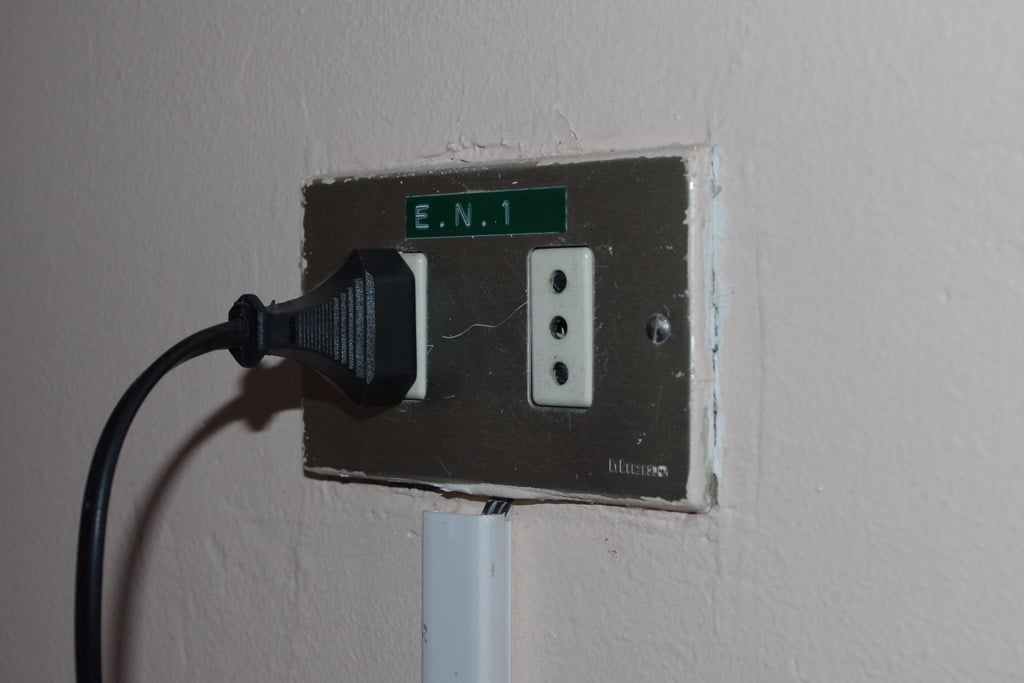
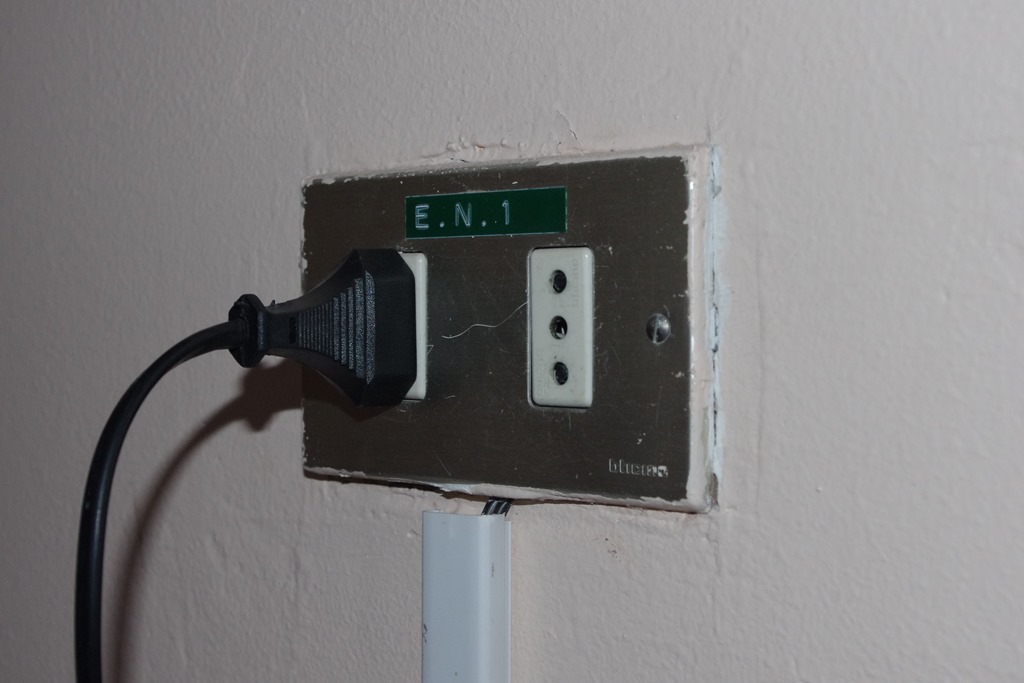
Chile has a 220V, 50Hz mains supply, similar to most of Europe (but unlike North America). The plugs used are ‘Type C’, which I hadn’t come across previously.

By design, Type C plugs have a very useful feature: the middle pin is the Earth and the two outer pins are Live and Neutral. These are identical in dimensions and separation to the continental European ‘Schuko’ standard, which means a European plug will work fine in a Type C socket, as long as you don’t need an Earth connection (and let’s face it, a lot of equipment is double-insulated these days).

There is a catch, however: Chile is increasingly moving towards what I gather are called ‘Type F’ sockets. These look superficially identical to Type C, except that the Live and Neutral pins are physically blocked off unless the Earth pin is also present (this is also a feature of British Standard sockets, of course). This means that standard Schuko plugs won’t go into a Type F socket, even though it looks the same as a Type C.

For guidance, I found that every hotel room – even more modern ones – I went to had at least one Type C socket in the room, but Type F were understandably more common in bathrooms and on campsites, for example. A casual look around some shops suggests that it may no longer be possible to buy Type C sockets for new installations, but I don’t know whether that’s just due to them only having Type F in stock, or by legislation. Anyway, when I did need one, I was easily able to pick up a cheap Schuko – Type F adaptor in a larger branch of the Jumbo supermarket, complete with Earth pass-through. I also bought a 10m Type F extension lead, which was useful for hooking-up at campsites during my travels.

26th November: Entre Lagos (Puyehue)

After the chaos of Osorno, I was looking forward to a nice quiet campsite for the next few days. I certainly found quiet – so quiet, in fact, that despite being ‘open’, the campsite didn’t even have any water in the toilet cisterns and the showers were still in a state of having woodwork done in them. To make things even worse, it rained quite hard all day. I did get a chance for a quick walk around the village in the afternoon and quickly determined that there wasn’t enough to be worth staying, so by the evening I’d opted to sleep there for one night and to move on the following day.

I’m sure that Camping Vista Hermosa is lovely enough during high season (it certainly has what would have been a spectacular view had I been able to see it through the rain), but at this time of year it really shouldn’t have been advertising itself as being ‘open’.

The view from the private beach at Camping Vista Hermosa

25th November: Osorno

Getting there

The drive from Valdivia was easy. Again, traffic on Ruta 5 was surprisingly light. There were two tolls, one just south of Valdivia (2200CLP, about £2.20) and another at the exit to Osorno (600CLP). There were none of the problems with roadworks that affected me yesterday.

The only issue was finding the hotel. It’s just on the outskirts on the main road into Osorno, so much so that it took me by surprise. The apartments at Apart Hotel Blumenau are very nice, and mine even more so – a mixup with my booking (to which I was oblivious) meant that I ended up with a huge room for four people. Incidentally, you might gather that this area was largely settled by Bavarians, hence both the architecture in Osorno and the fact that Valdivia’s greatest export is probably Kunstmann beer, a very Germanic-style beer, complete with the slogan ‘Das gute Bier’.

Osorno

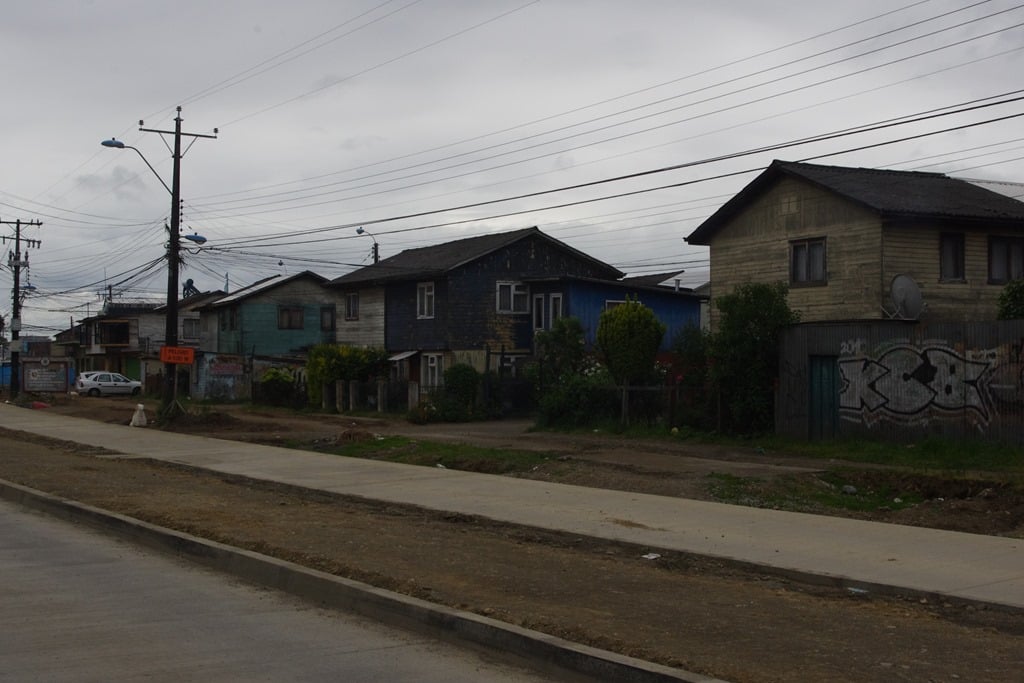
What to say of Osorno itself? One phrase comes to mind: building site. I’m very glad my hotel is a couple miles from the town centre because going any further into the city by car would be a nightmare. A large number of the roads seem to be being dug up and there are diversions everywhere. This rather detracts from the wooden houses, which my guidebook euphemistically describes as ‘weather-beaten’, for which the city is famous.

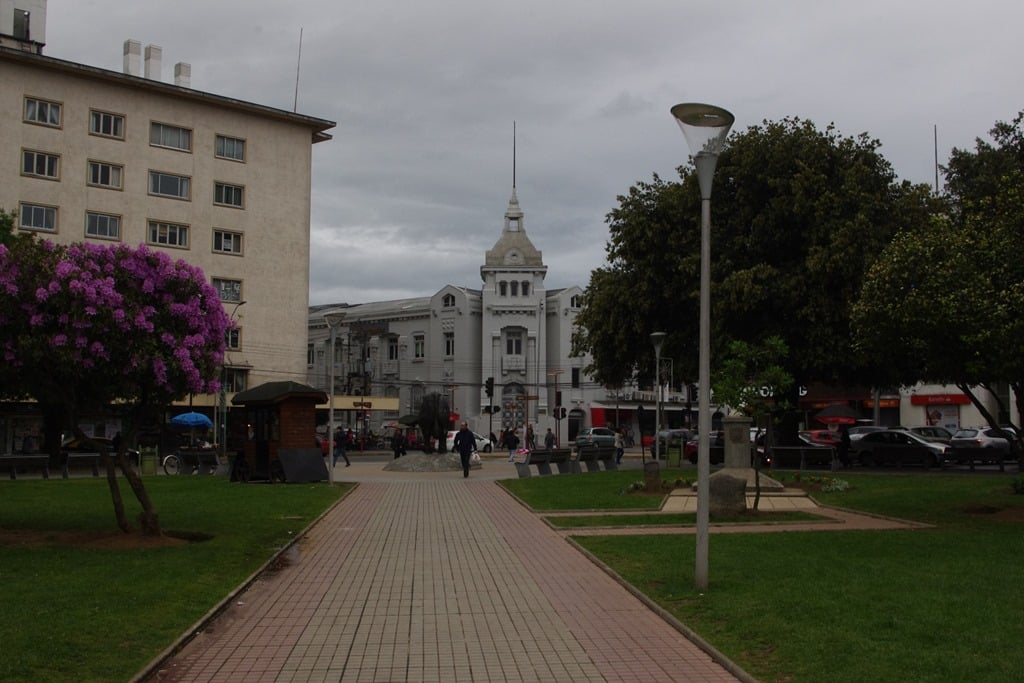
Osorno, according to everyone I’ve spoken to, is the centre of Chile’s agricultural industry and is home to a major cattle market twice a week. Other than a few milk cooperatives, however, I saw very little sign of this. There seem to be a surprising number of car garages and forecourts on the roads into the city, which is much larger than would be suggested by an ‘agricultural centre’. Once you find the city centre, however, it’s quite pleasant but still very busy (despite how the photo below appears!).

There’s really not that much more to say about Osorno city itself, so I’m looking forward to heading back inland towards the lakes tomorrow. It sounds as though the weather, which has been showery for the last couple days, should improve over the weekend too, which will be good as I’ll be under canvas once again.

24th November: Valdivia

Getting here

I’d been warned by Carlos back in Temuco that Valdivia isn’t an easy place to drive. So it turned out. This is a city of complex one-way systems, multiple lanes and taxis that aren’t afraid to undertake you if you don’t know where you’re going. But that wasn’t the biggest problem. The main road from the Panamerican Highway into Valdivia, the S206, had roadworks for several kilometres. These particular roadworks, for which there was no signed diversion, involved several sets of contraflows controlled by stop/go boards, and most of the road had had its surface removed, even where there was no obvious work taking place.

Valdivia

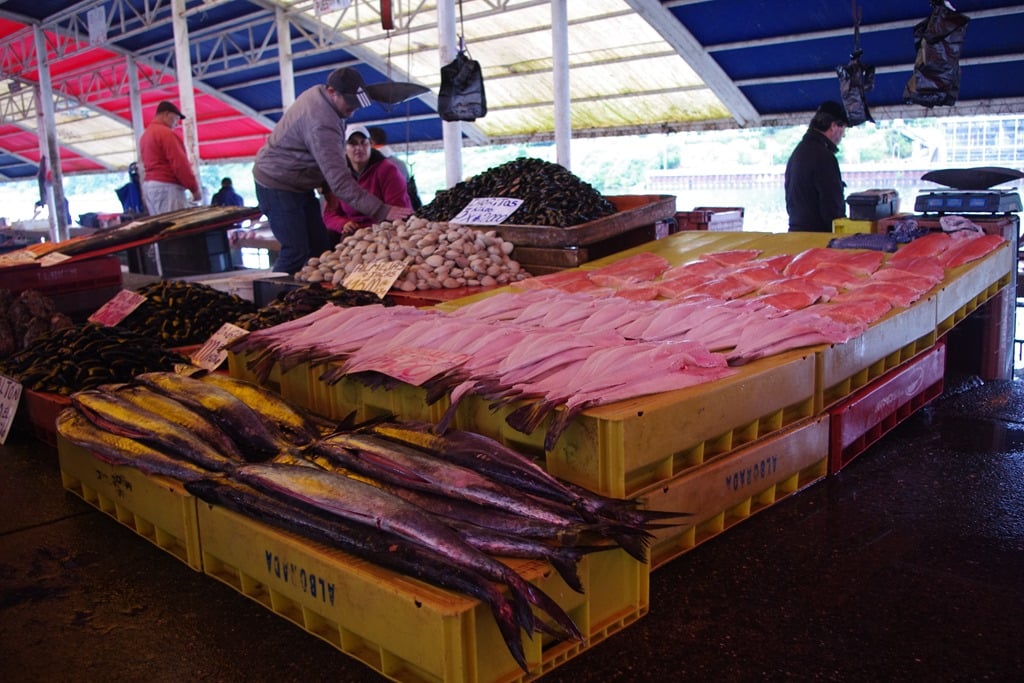
Once I was here, however, Valdivia is a pretty city. It’s larger than I was expecting and largely commercial. The river is the focus of the city, with the famous Feria fluvial (literally ‘River fair’, the daily fish market) being the centrepiece.

This is a quite amazing place, with a huge variety of fish and other seafoods available, all looking completely fresh (though none of it seems to be refrigerated at all, not even with ice cubes, so I’m not sure how long it would stay that way). I didn’t buy any fish due to the fact I’ll be camping in the coming days and cooking it would have been difficult, but I did leave with 500g of beautiful looking, new season, strawberries.

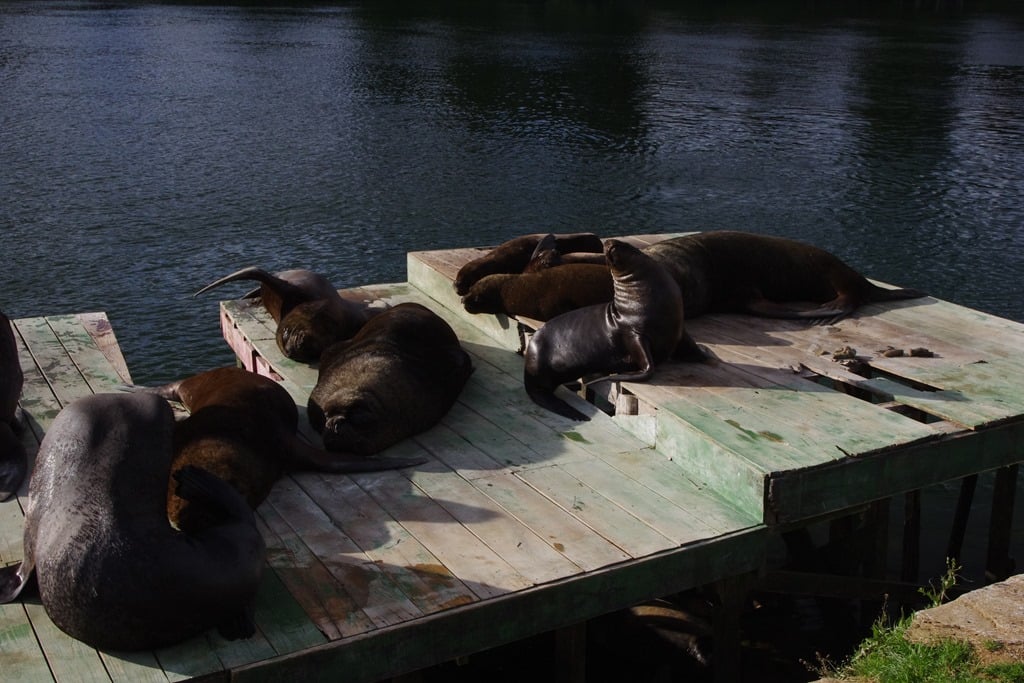
One attraction my guidebook hadn’t warned me about was a colony of sea lions that seem to have taken up residence by the river. These bellicose creatures garnered the attention of a number of tourists with their constant (and often loud) fights right in the heart of the city centre!

Fuerte de Niebla

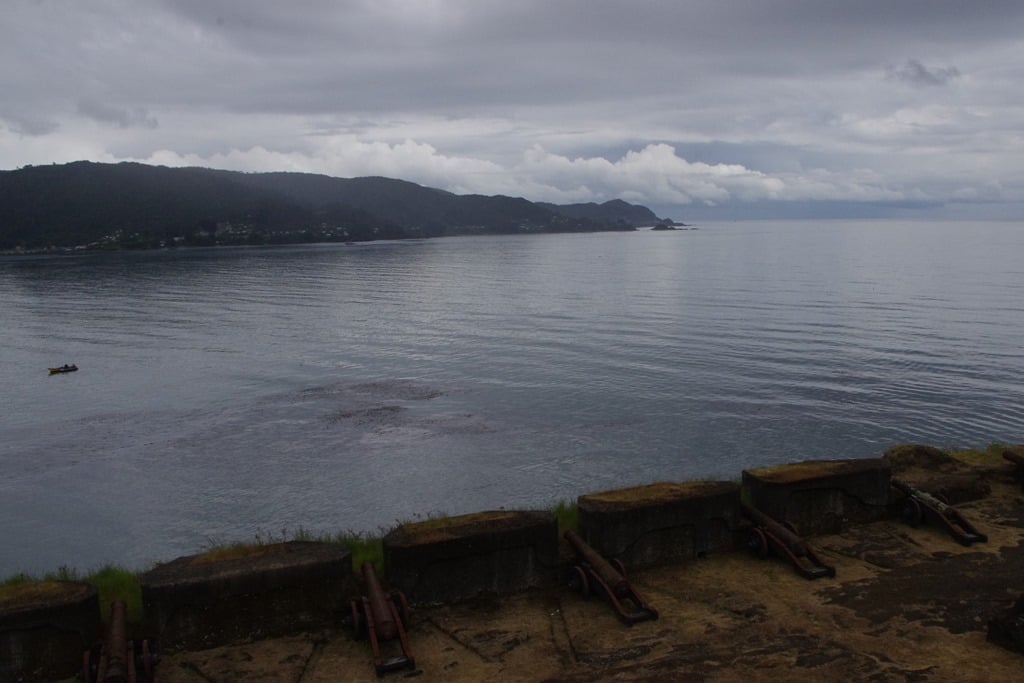
Valdivia was once a stronghold of the Spanish colony in Chile, and the city was defended by a series of forts guarding the entrance to the river leading to Valdivia. Most of these forts are no longer in place, but one, in the village of Niebla (about 20km west of Valdivia), is still standing. Since my hotel room wouldn’t be ready until 3pm, I made the detour to see the fort on my way to the city.

The fort stands on a cliff right at the mouth of the estuary, looking out into the Pacific Ocean – a very picturesque spot, and it’s clear why this location was so impenetrable for the forces demanding Chilean Independence.

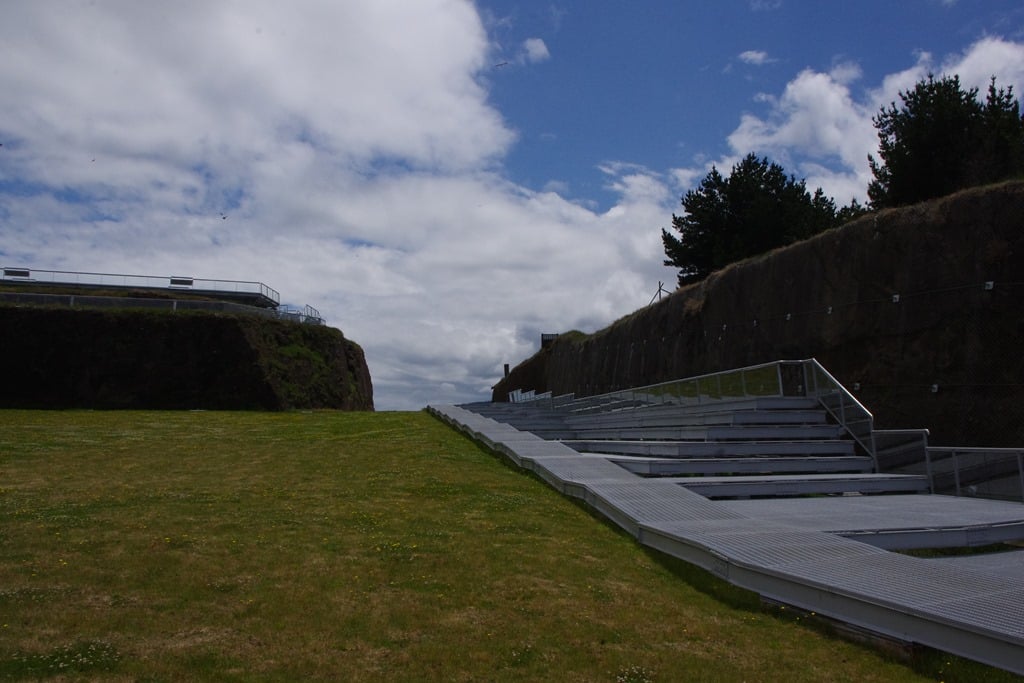
The only disappointment here is that, in a laudable attempt to improve wheelchair access to the site, the place has been covered in stainless steel ramps, which rather spoil the spot and make it hard to distinguish some of the original stonework which make up the fort.

My WordPress Blog